
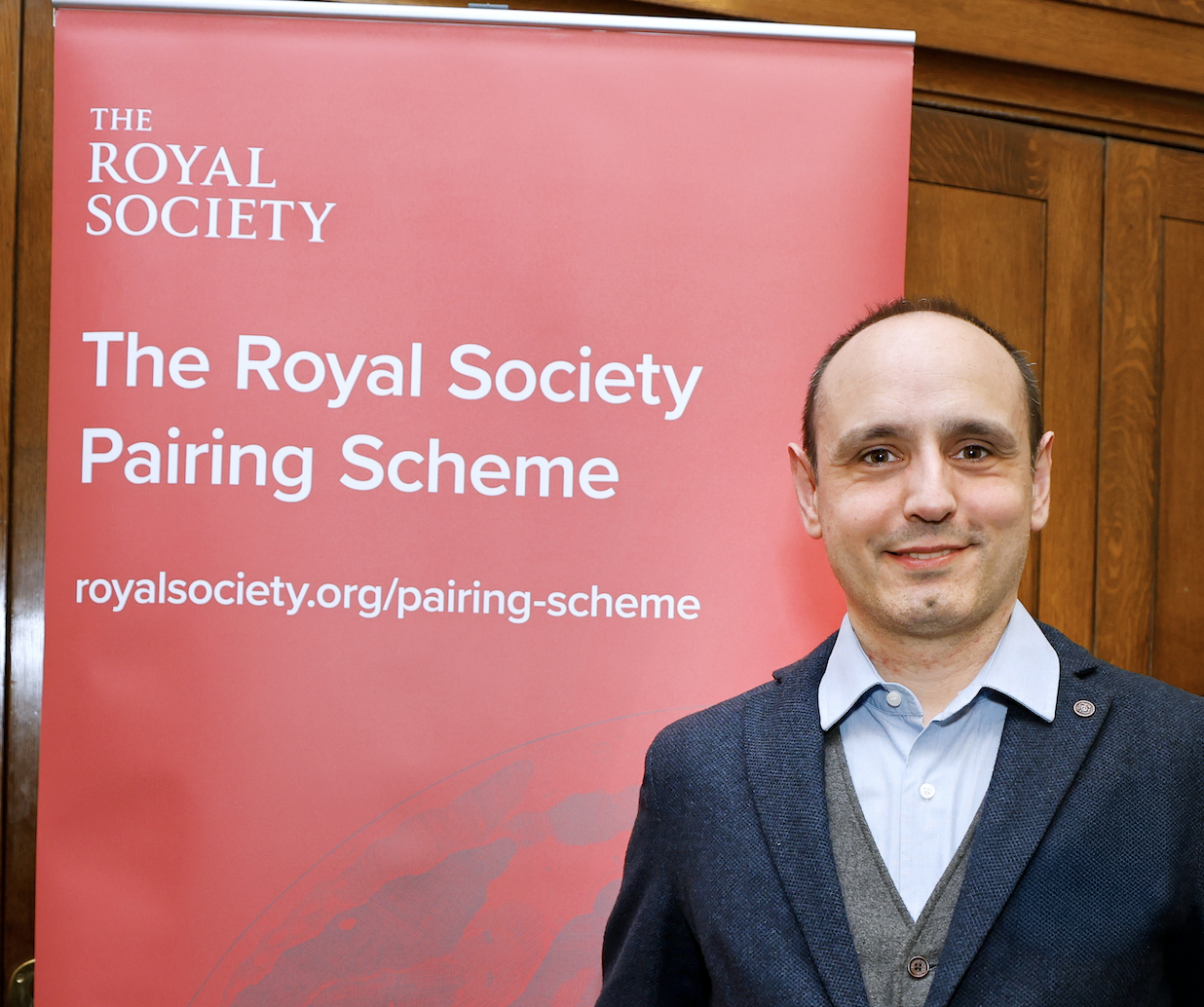
Imagine you spend your days analyzing millions of mobile phone traces, credit card transactions, and social media posts, piecing together how people move through cities, how communities form online, and what our digital footprints reveal about inequality, segregation, and the hidden rhythms of urban life. Then, one week in March, you trade your desk for a seat in the House of Lords. That is exactly what happened to Riccardo Di Clemente, Associate Professor and head of the Complex Connections Lab at NetSI London, who took part in this year's Royal Society Pairing Scheme (March 16-19), and came back with a clearer understanding of how the policy world works, how decision-makers frame problems, weigh evidence, and navigate the complex path from insight to action.
The Royal Society, UK's national academy of sciences founded in 1660, runs its Pairing Scheme in partnership with UK’s Government Office for Science's Government Science and Engineering Profession on a simple but effective premise: pair a scientist with a parliamentarian or civil servant for a week, let them see each other's worlds up close, and trust that good things will follow. Now in its 25th year, the Scheme brought together 30 researchers from universities and institutes across the UK, and Prof. Di Clemente was among them, selected from a pool of over 300 applicants for one of just 30 coveted places.
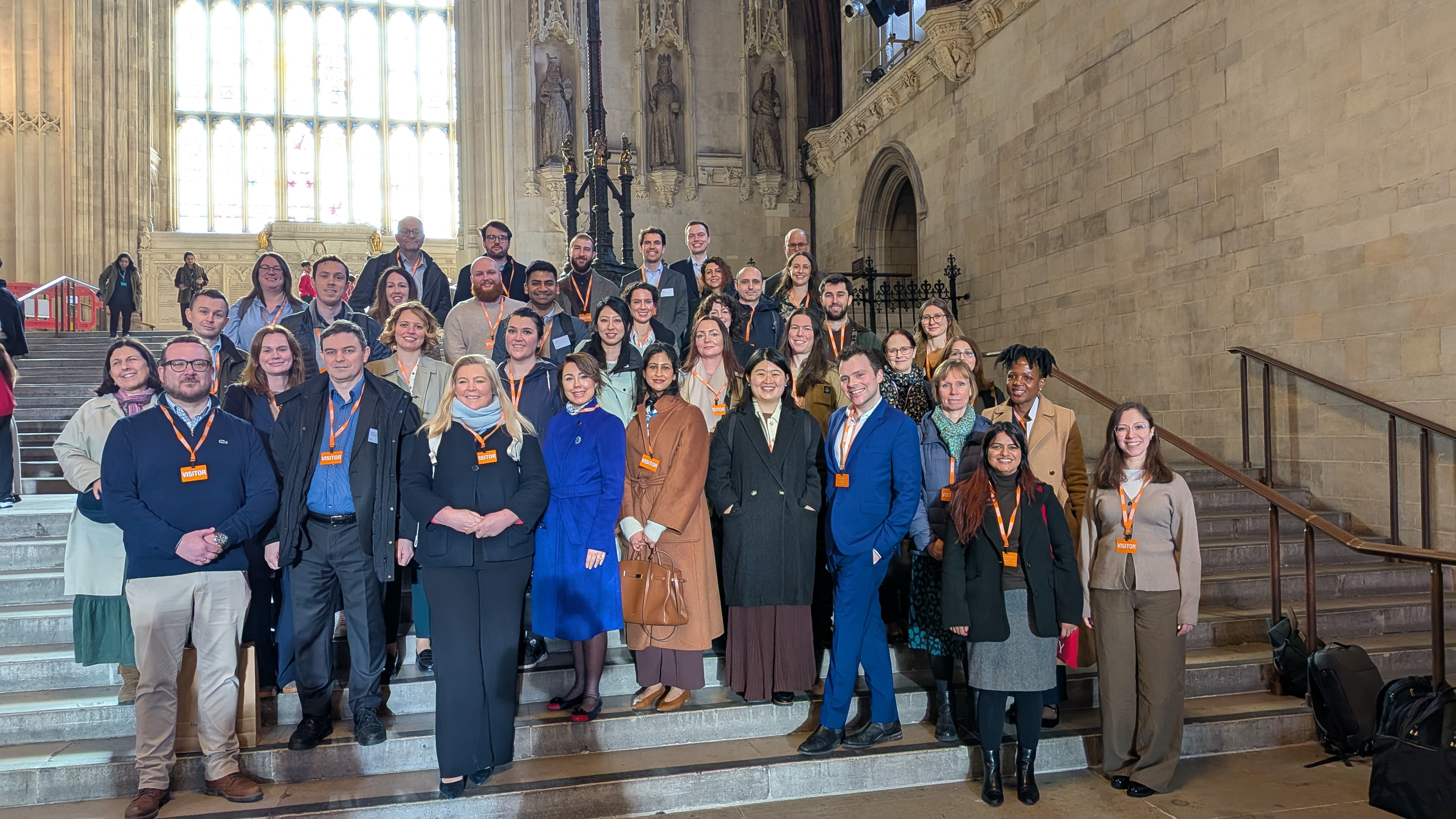
Matched with Baroness Prashar in the House of Lords, Prof. Di Clemente spent four days shadowing her, attending workshops on how policy is actually made, and getting a behind-the-scenes tour of one of the most storied buildings in the world. There was also a chance to attend a live session of the National Resilience Select Committee, the kind of experience that makes abstract ideas about governance feel suddenly very real and very urgent (session recording available here). Later in the year, a reciprocal visit is planned, during which Baroness Prashar will visit Northeastern University London’s campus to see the Lab’s work firsthand.
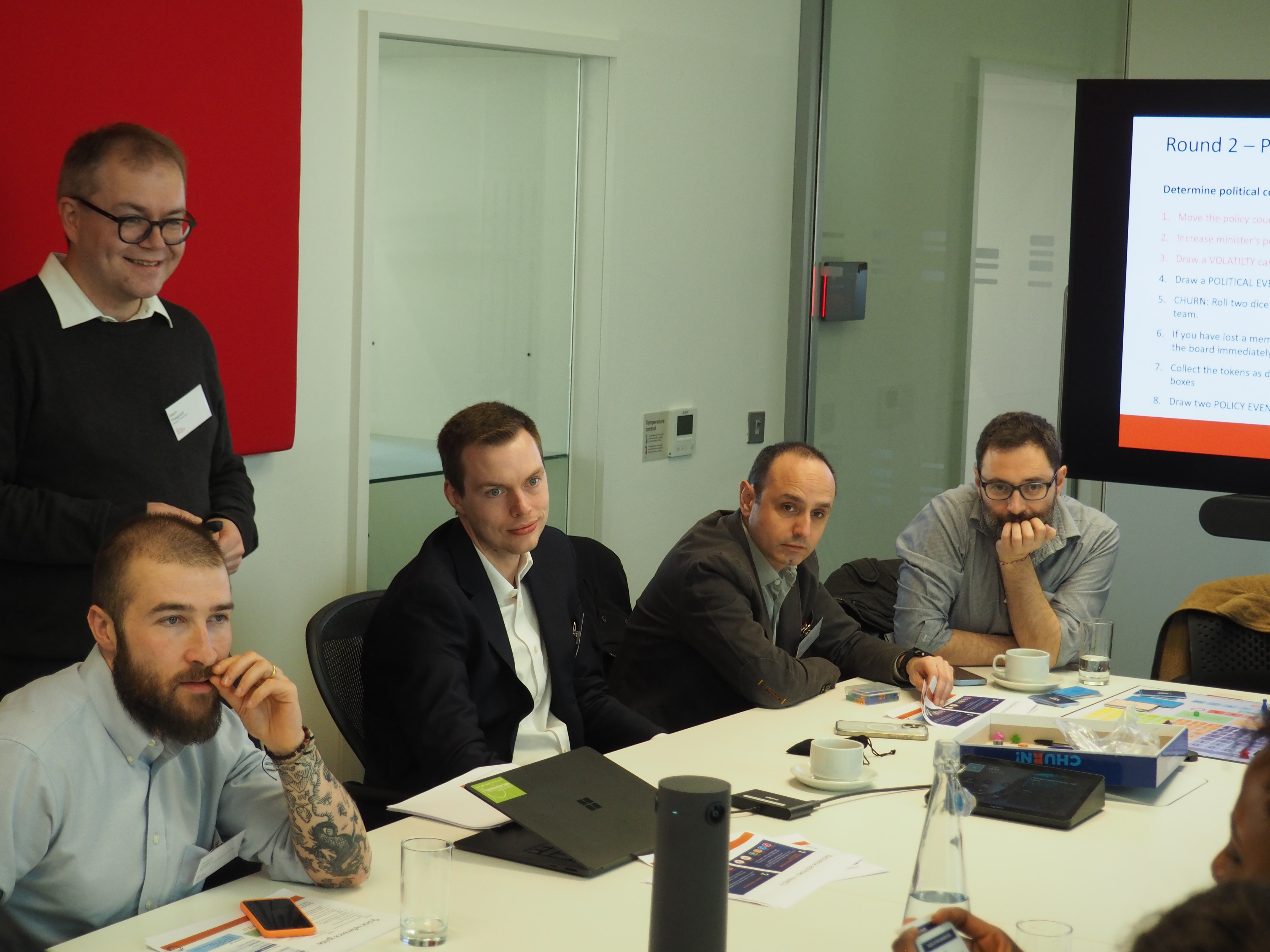
What makes Dr. Di Clemente’s participation particularly fitting is the nature of the questions his Lab is already asking. The Complex Connections Lab works at the intersection of cities, data, and human behavior, using network theory, computational social science, and machine learning to decode the patterns embedded in our everyday digital lives. His team has used mobile phone data to track how human mobility shifted across the UK during the Covid-19 pandemic, and has applied similar approaches to support spatial planning and poverty reduction in Nigeria and Mexico. Using credit card data, they have mapped socio-economic lifestyles within cities and explored how gender shapes economic and spatial routines in urban environments.
Right now, the Lab is tackling one of the most persistent challenges in urban research: income segregation. Rather than relying on static snapshots of where people live, Prof. Di Clemente's team uses high-resolution mobile phone data to follow how people from different income groups — high, medium, and low — actually move and mix throughout the day. What emerges is a richer, more dynamic picture: cities that look highly segregated at night, when people retreat to their neighborhoods, reveal surprising pockets of inclusion during working hours, particularly in downtowns. Leisure areas, too, can act as social bridges, but only under the right conditions. Access to public transport, the mix of nearby amenities, the design of public space: all of it shapes whether a neighborhood brings people together or keeps them apart. It is exactly the kind of finding that urban planners and housing policy makers need.
These are not abstract academic puzzles, but questions that parliaments and governments are wrestling with every day, often without the tools or the data to answer them well. What the week added was not a new sense of purpose —Prof. Di Clemente’s research has always been rooted in real-world problems — but a much clearer view of how policy makers evaluate those problems on their end: the trade-offs they are balancing, the timescales they are working to, and the moments where well-framed scientific evidence can genuinely shift a conversation.
Photos courtesy of The Royal Society.


